
What is Responsible Tourism? And guidelines to follow to become a responsible tourist.
- Renew Blue
- Jan 25, 2022
- 3 min read

Updated: Jan 28, 2022

Sustainable tourism, ecotourism, ethical tourism, regenerative tourism are among the many terms used to interest and attract travelers.
Responsible tourism is tourism which minimizes negative social, economic and environmental impacts. generates greater economic benefits for local people and enhances the well-being of host communities concerned about the increasing damage people are inflicting to life on planet Earth.
Those who consider themselves responsible travelers wish to minimize the harm they cause to the environments and communities they pass through, perhaps even redress the balance in some small way.
If you are just starting out as a responsible tourist or want to learn more about responsible tourism, you need to understand that responsible tourism focuses on three things. They are:
Reducing your carbon footprint.
Minimizing the waste you generate.
Supporting the local communities that thrive there.
Responsible tourism and eco-tourism are two separate things. Ecotourism is a form of tourism involving responsible travel to natural areas, conserving the environment, and improving the well-being of the local people.
1. Reducing your carbon footprint.
In simple words, carbon footprint means the amount of greenhouse gas emissions produced by our actions. So to begin with, a transportation service with a lower carbon footprint is to be chosen. Lodging in eco-certified hotels help travelers make more informed decisions. Google has made finding eco-friendly hotels easier, with a new labeling system recognizing various environmental credentials. Trekking, using a bicycle or using a vehicle that uses clean fuel reduces your carbon footprint of your travel.

Eco-tourism as a part of Responsible Tourism involves traveling to destinations that are a part of natural biodiversity. The Maredumilli Forests of East Godavari District have a rich biodiversity and the area has a semi evergreen forests which forms part of the Eastern Ghats.
2. Minimizing the waste your produce
While traveling, we often tend to carry disposable/single-use items such as plastic cutlery and toiletries. When not disposed properly, they take a toll on the destination and contaminate the natural habitat thriving there. As a responsible tourist you can follow a few guidelines to reduce your waste.
Always carry a reusable water bottle that you can easily refill.
Shop ethically and always carry a few cloth bags to throw in your purchased items.
Be mindful of your consumption and reduce your paper waste.
Do not consume food that is packaged in plastic. Instead go for reusable container that you can use to take the food from your hotel for an on the go meal.
Swap out your toiletries for zero waste alternatives such soap and shampoo bars.
3. Supporting local communities
A large part of responsible tourism is contributed to economical and social upliftment of local/host communities living there. Supporting local population's livelihood and business establishments not only help in improving their financial position but also contribute to the preservation of the natural ecosystem there. Following the rules and customs laid out by the locals, engaging in local activities, shopping and eating at establishments run by locals is a way of supporting locals. Eating at the restaurants set up by local populations also happens to be a sustainable choice because things like transportation and packaging are not required for locally produced food items.
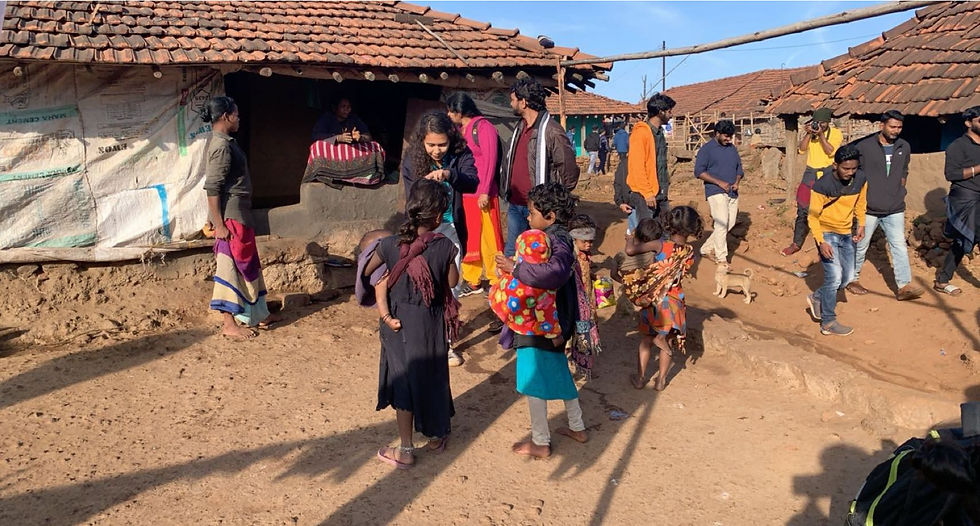
Cheruvula Venam(Lambasingi), located at an altitude of over 1000 meters is a small village in the Eastern Ghats of Chintapalli Mandal of Visakhapatnam district in the Indian state of Andhra Pradesh. The growth in tourism helped the locals to earn extra income and sustain themselves and the biodiversity around them.


Really loved your contribution for Public awareness
Great work! Great initiative
👏👏👏